introduction: in the context of thailand's rapidly growing digital demand, the energy consumption of computer rooms (data centers) has become a dual concern for operating costs and sustainable development. from the perspective of technical application, this article analyzes the practical path of green energy-saving technology in the construction of computer rooms in thailand , and calculates energy-saving benefits through examples to provide quantitative reference for project decision-making.
thailand's climate is dominated by high temperature and humidity, and cooling energy consumption accounts for a significant proportion of the total energy consumption in the computer room. grid load, power consumption peaks and valleys, and land layout restrictions make the construction of computer rooms must take into account energy efficiency, reliability, and local adaptability, making it an inevitable choice to promote the implementation of green technologies.
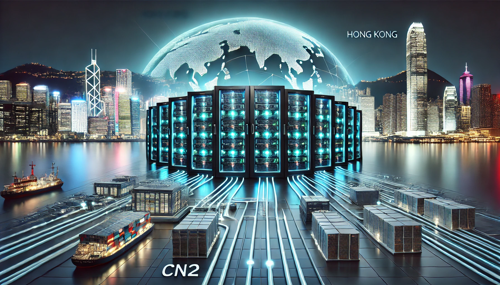
in thailand's computer room projects, common green energy-saving technologies include high-efficiency refrigeration and free cooling, direct liquid cooling, heat recovery and waste heat utilization, computer room energy efficiency management (dcim), ups and power distribution optimization, hybrid energy supply solutions combining renewable energy, etc.
high-efficiency cooling (such as cooling tower optimization, free cooling) and direct liquid cooling can significantly reduce cooling power consumption, especially for high-density racks. reasonable airflow management and thermal division configuration can help reduce the cooling station load and overall pue value, and improve system stability.
deploying dcim and real-time energy consumption monitoring enables fine-grained management of temperature, airflow and load. power distribution and ups efficiency optimization, power factor correction and modular redundancy design can reduce conversion losses, improve system utilization, and reduce long-term operation and maintenance energy consumption.
thailand has abundant solar resources. rooftop photovoltaics, distributed power generation and energy storage combined with ppa or microgrids can alleviate the pressure on the power grid and reduce carbon emissions. combining redundancy and demand response strategies to achieve smooth access and highly reliable operation of renewable power.
example calculation (for reference): assume 1 mw it load, pue=1.8 before transformation, and pue=1.3 after transformation. energy saving = 1 mw × (1.8-1.3) × 8760 h = 0.5 mw × 8760 h ≈ 4,380 mwh/year, accounting for approximately 27.8% of the total energy consumption. based on the example grid emission factor of 0.6 kgco2/kwh, approximately 2,628 tco2/year can be reduced. specific economic recovery needs to be evaluated on a case-by-case basis based on project capital expenditures and local electricity prices or energy consumption costs.
during implementation, load and heat map assessment should be prioritized, liquid cooling or free cooling technology should be piloted in stages, and dcim should be used to monitor and verify pue improvements. taking into account thailand's local climate, power consumption flexibility and regulatory requirements, we design an energy-saving solution that takes into account reliability and maintainability.
summary and suggestions: in the construction of computer rooms in thailand, systematic use of green technologies such as efficient refrigeration, liquid cooling, energy efficiency management and renewable energy can achieve significant reductions in energy consumption and carbon emissions. it is recommended that project parties use data-driven decision-making, implement in stages, combine local resources and policies, and monitor regularly to ensure maximization of long-term benefits.
- Latest articles
- An overview of the performance of Malaysia’s VPS CN2 GIA during sudden spikes in cross-border e-commerce traffic
- Let the data speak: Report on trending terms and trends for Germany’s server names in my world
- Beginner’s Guide: A Step-by-Step Guide to Setting Up and Going Live with a Japanese CN2 Line VPS
- Practical Guide for Small and Medium-Sized Enterprises to Use Cambodia’s CN2 to Reduce Cross-Border Delays
- Guide to Using US VPS in Airports Without Data Usage Limits: How to Save Data and Improve Speed
- Technical Integration: Best Practices for Hybrid Deployment of Hong Kong Site Cluster CN2 and Cloud Servers
- How much does it cost to host a small website on servers in Hong Kong? Cost-effective solutions and configuration recommendations
- Explanation of Security and Compliance: Privacy Protection and Risk Control in Using Cambodian Dial-up VPS
- Oracle Cloud VPS in Singapore: Latest Deployment Cases and Performance Reviews to Assist Enterprises in Making Decisions
- An industry perspective on why U.S. servers are so popular and their relationship to supply chain advantages
- Popular tags
-

detailed explanation and practical tips for server export to thailand cargo code
this article will explain in detail the cargo code for servers exported to thailand, and provide practical tips to help you successfully complete the export process. -
Detailed steps on how to download and set up a Thai game server
This article details the steps on how to download and set up a Thai game server to help players smoothly experience the Thai game environment. -

Industry risks and preventive measures revealed by Thailand computer room fraud cases
This article discusses the industry risks and preventive measures revealed by the Thai computer room fraud case, and helps companies and individuals improve their awareness of network security.